
Vinyl siding
Choose the siding profile, color and trim together. A vinyl siding estimate should show how the new exterior will meet the windows, corners and roof edge.
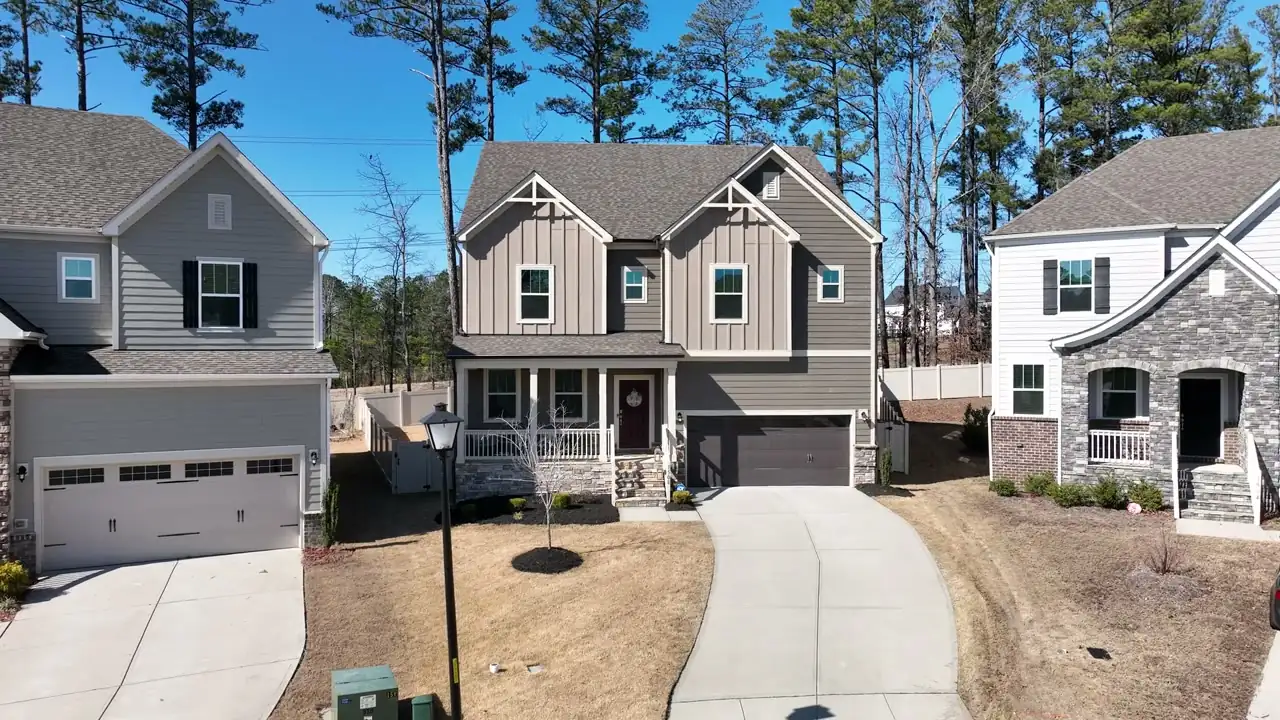
Find a profile that fits the house
Horizontal lap gives long walls a steady rhythm. Vertical panels can define a gable or entry, and wood-grain profiles can bring out details around a porch. Compare full-size samples outdoors beside the roof, windows and masonry. The same color can look quite different on a sunny wall and under a deep eave.
Leave room for the panels to move
Vinyl expands and contracts with temperature changes. Slotted fastening openings and clearance at the ends let panels move as intended when installed to the product instructions. If existing siding has buckled, the estimate should address what caused it and whether an underlying wall or trim detail needs attention.
Plan the details that shed water
The siding face sheds rain, while the water-resistive barrier and flashing manage water behind it. Ask how the scope handles windows and doors, corner posts and J-channel, the trim that receives the panel ends. Review soffit, fascia, gutters and downspouts together so each connection can drain and the finish looks continuous.
Compare standard and insulated vinyl
Insulated vinyl adds a backing layer. Compare the specific product, wall preparation, profile, trim and installed scope. Ask whether removal and disposal of the old siding are included and how the agreement handles concealed wall damage. Make each estimate cover the same work before comparing prices.
Frequently asked questions
Does vinyl siding require painting?
Factory-colored vinyl generally does not require routine painting. Follow the selected product’s cleaning instructions and check for loose panels, cracks or damaged trim after severe weather.
Can vinyl siding look like wood?
Some profiles use wood-grain textures, lap shapes or shake patterns. Review physical samples in daylight to judge the texture, color and seam appearance.
Can you install vinyl over existing siding?
It depends on the old cladding, the condition and flatness of the wall, and the selected product’s instructions. An inspection can identify whether removal is needed to repair damage or complete the flashing and trim.
Know exactly what your home needs.
A free inspection to discuss visible conditions and a written estimate you can review before deciding.