
Gutters and downspouts
Follow the water from the roof to its discharge point. Get a gutter estimate that accounts for each run, outlet and downspout.
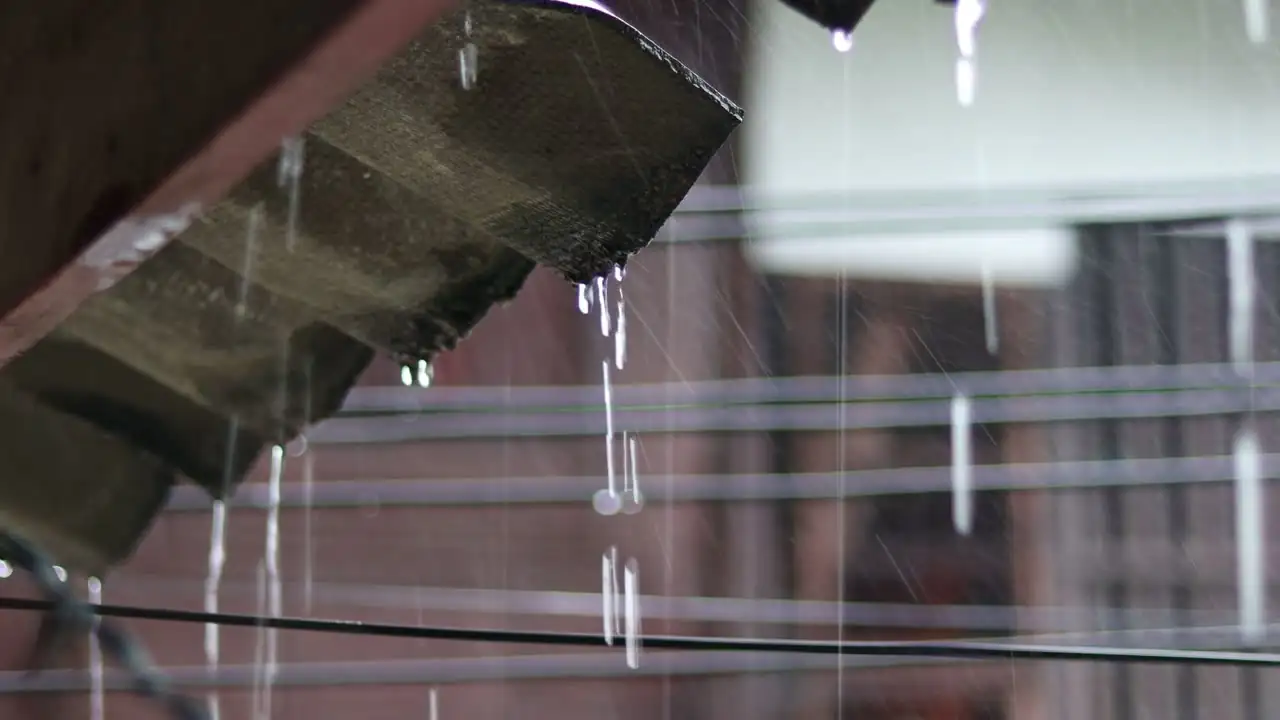
Start with where water goes
Valleys and large roof slopes can concentrate runoff in one part of a gutter. During the estimate, review where the roof sends water, how much drainage each run needs and where the downspouts can discharge. Include extensions in the plan if they are needed to move water away from the foundation and clear of walkways.
Inspect the roof edge and fascia
Leaks at corners, sagging runs or staining behind the gutter can point to several causes. Ask the installer to check whether the fascia can hold the planned fasteners, explain how the gutter will meet the drip edge and identify any repairs to address before hanging the new runs.
Compare the full installation scope
Get the profile, material, run length and outlet locations in writing. Review removal and disposal of existing gutters, fascia work, color options and any extensions. If you are considering gutter protection, ask how the cover and outlets will be inspected once installed.
Frequently asked questions
How do you choose between five- and six-inch gutters?
Compare the amount of roof feeding each run, the slope and valleys, and the size and placement of the outlets and downspouts. Those factors help determine the gutter profile.
What can cause water to spill over a gutter?
Clogged outlets, damaged hangers, poor pitch or runoff that exceeds the capacity of the system can all cause overflow. A photo from the ground during rainfall can help pinpoint the affected area.
Can new downspouts use the existing discharge points?
The installer can assess whether the existing outlets and discharge points suit the new layout. Share any spots where water pools, crosses a walkway or runs back toward the house.
Know exactly what your home needs.
A free inspection to discuss visible conditions and a written estimate you can review before deciding.