
Hail damage repair
Hail can damage shingles, tiles, gutters and roof accessories. An inspection shows what changed and which parts of the roof need attention.
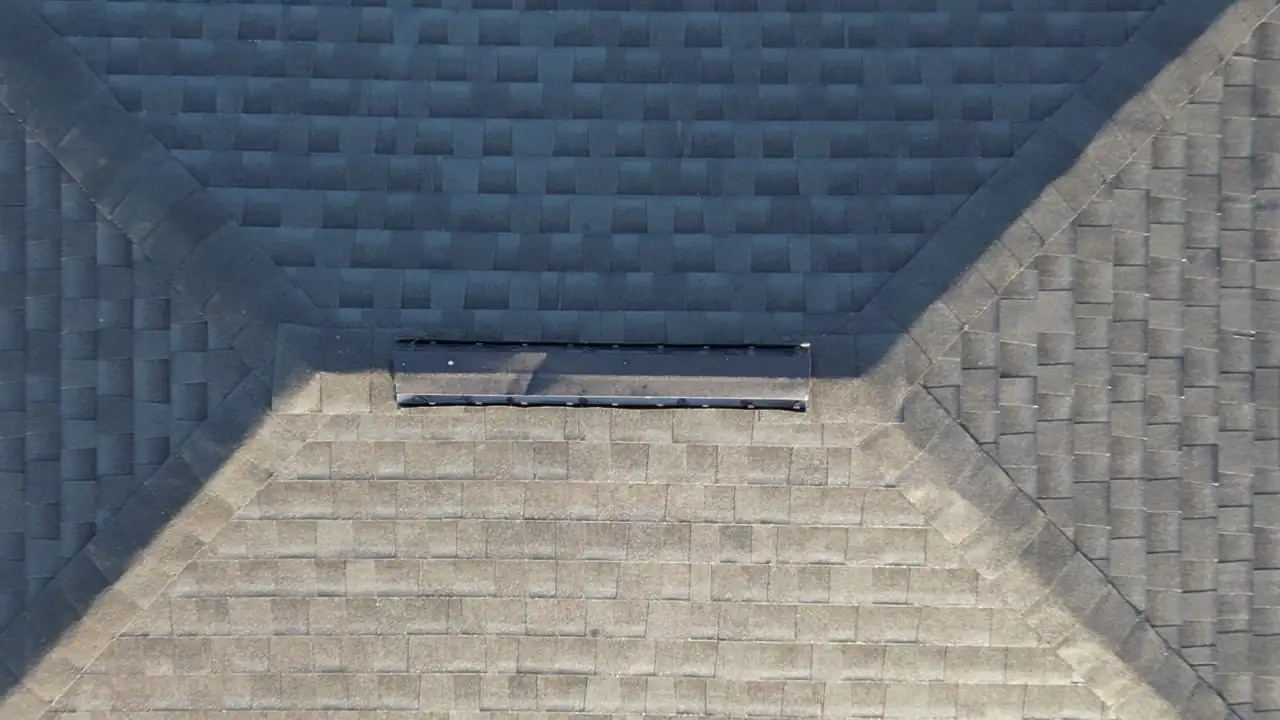
Hail marks vary by material
On asphalt shingles, an impact can displace granules, dent the surface or tear the mat. Wood shakes can split along the grain, while brittle slate and tile may crack or break. Metal can show dents, so the inspector also looks at seams, edges and flashing to understand whether the damage affects performance.
Inspect every accessible roof slope
Wind direction can concentrate storm impacts on one part of a roof. A thorough check includes the roof covering and other exposed surfaces such as gutters, flashing, skylights, vent hoods and chimney caps. Record the storm date and photograph damage from the ground or from a safe place inside.
Get a repair scope and documentation
Ask which affected components can be replaced individually and whether the pattern warrants comparing a larger repair or replacement. Get photos of observed conditions and a written scope to share with your insurer. Coverage, deductibles and filing requirements depend on your policy.
Frequently asked questions
Do dark spots on asphalt shingles mean hail damage?
An inspector compares the shape and distribution of marks on the roof with other evidence of impact. Normal wear, blistering or marks from earlier work can look similar.
Should I schedule an inspection if there is no interior leak?
An inspection can identify damage before water becomes visible inside. Missing roofing, broken flashings and exposed areas deserve prompt attention after a storm.
Who decides whether insurance will pay for roof repairs?
Your insurance carrier determines coverage and payment under your policy. Exteriors Unlimited can document observed damage and provide a written repair estimate.
Know exactly what your home needs.
A free inspection to discuss visible conditions and a written estimate you can review before deciding.